Category 6 hurricane? University professor proposes revamp of the Saffir-Simpson scale
A proposed new hurricane rating scale would include multiple hazards, not just wind.

NEW ORLEANS (WVUE) - Since 1971, hurricanes have been rated using the Saffir-Simpson Hurricane Wind Scale (SSHWS). Researchers at the University of Florida say this scale needs to be updated because it doesn’t portray the deadliest impacts of a tropical cyclone.

The SSHWS uses sustained wind speeds to rate hurricanes from Category 1 to Category 5. A University of Florida professor and her team say this only factors in wind and not the more deadly hazards like storm surge and rainfall.
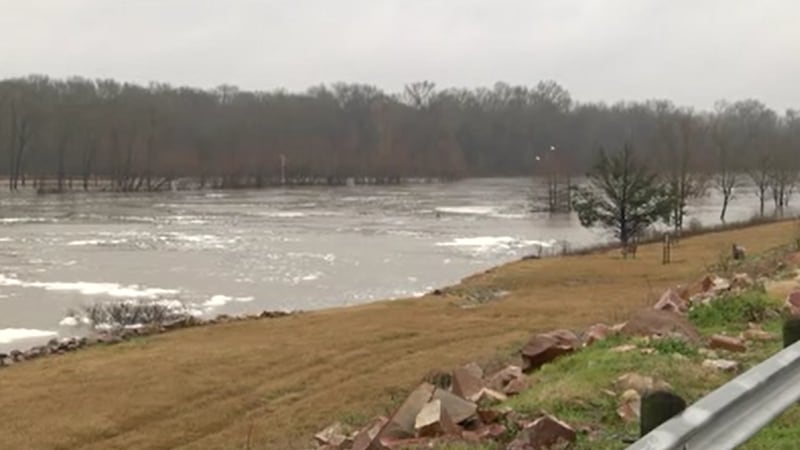
According to Edward Rappaport, a former National Hurricane Deputy Director, hurricane-related wind deaths account for 8% of deaths. Storm surge accounts for 49% of all cyclone-related deaths, while rainfall accounts for 27%.
Jennifer Collins, a hurricane researcher and professor at the University of South Florida’s School of Geosciences, says an updated scale would account for not just wind, but storm surge and rainfall.
She says many decide to evacuate based solely on hurricane categories, leaving themselves and their families in a dangerous path of storm surge.
Collins says if the general public knew they could be in the path of a deadly hazard, not just wind, they would make better decisions about evacuation.
To combat this, she proposes the Tropical Cyclone Severity Scale (TCSS) that includes a Category 6.
In the TCSS, wind, rain, and storm surge would be given a rating between 1 and 5.
If wind and rainfall are rated a 2 each, but storm surge is 4, the final number is 4. The higher number would always be taken for the overall category.
If at least two hazards are rated a 3, the final number increases by 1. For instance, if the storm surge number is 4, with wind and rainfall a 5, the final number would be 6.
Collins says this proposed change would take into account the magnitude of each storm, rather than just one hazard.
She and a team of co-authors will present their research to the National Hurricane Center.
See a spelling or grammar error in our story? Click Here to report it. Please include the headline.
Subscribe to the Fox 8 YouTube channel.
Copyright 2025 WVUE. All rights reserved.