Hurricane Katrina’s eve: The chilling NWS advisory that warned of ‘uninhabitable’ Gulf Coast
On August 28, 2005, forecasters predicted “devastating damage” and cities left “uninhabitable for weeks” as Katrina approached the Gulf Coast. A day later, the nightmare came true.
NEW ORLEANS (WVUE) - Forecasters rarely use language this stark. But on August 28, 2005, the National Weather Service’s New Orleans/Baton Rouge office issued one of the most ominous hurricane advisories ever written.
The bulletin warned residents along the entire north-central Gulf Coast that Hurricane Katrina, then a Category 5 storm rivaling the intensity of Hurricane Camille, would leave “most of the area uninhabitable for weeks … perhaps longer.”
The advisory’s dire language was for anyone along Katrina’s path.
It described roofs torn from well-built homes, walls collapsing, high-rise buildings swaying to the point of failure, industrial structures destroyed, and livestock killed by airborne debris.
“All gabled roofs will fail … most power poles will be down … human suffering will be incredible by modern standards,” the advisory read.

- The wall that defends New Orleans: What’s changed since Katrina and what still needs work
- How hurricane forecasting has evolved since Katrina
- Hurricane Katrina’s aftermath changed the way Louisiana builds homes
- Drew Brees tells story of almost missing first game back at Superdome after Hurricane Katrina
- Lost ID found on island 20 years later reconnects woman with life before Hurricane Katrina
That same day, New Orleans Mayor Ray Nagin called the first-ever mandatory evacuation of the city. Emergency officials feared a 28-foot storm surge could overwhelm levees that protected the below-sea-level city.
The fears became reality just 24 hours later.
On August 29, 2005, Katrina’s surge caused 53 levee breaches, submerging 80% of New Orleans. Entire neighborhoods in St. Bernard Parish, New Orleans East, and coastal Mississippi were flattened or underwater. Many families never returned.
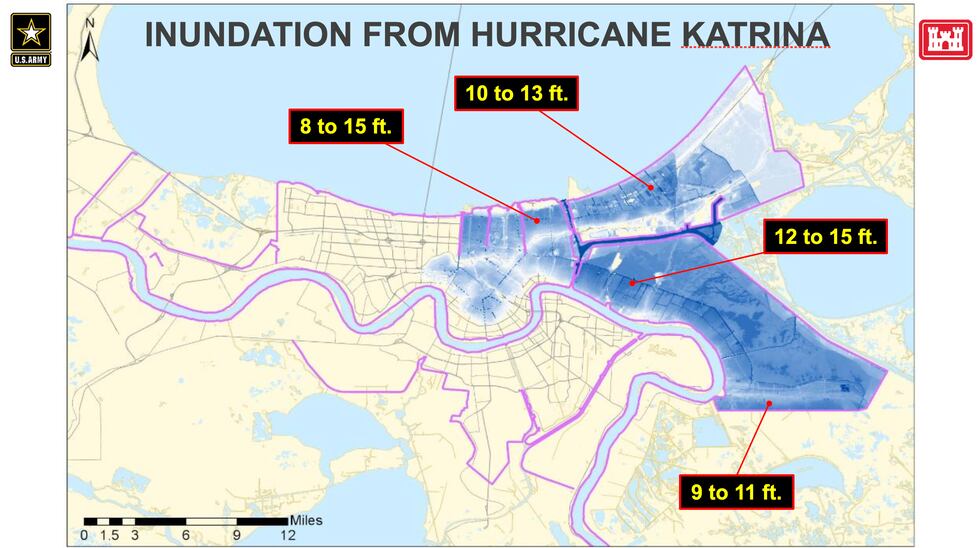
Katrina’s surge devastated coastal Mississippi with waves topping 25 feet, wiping out towns like Bay St. Louis and Waveland, and destroying the Port of Gulfport.
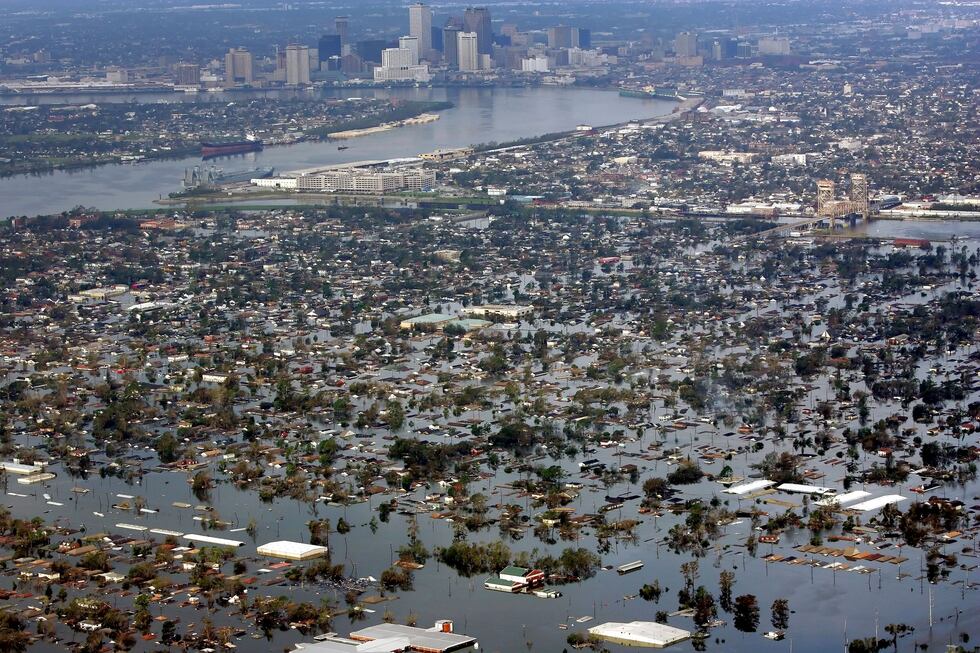
From Plaquemines Parish to Mobile Bay, boats, cars, and appliances were tossed blocks away from where they had stood.
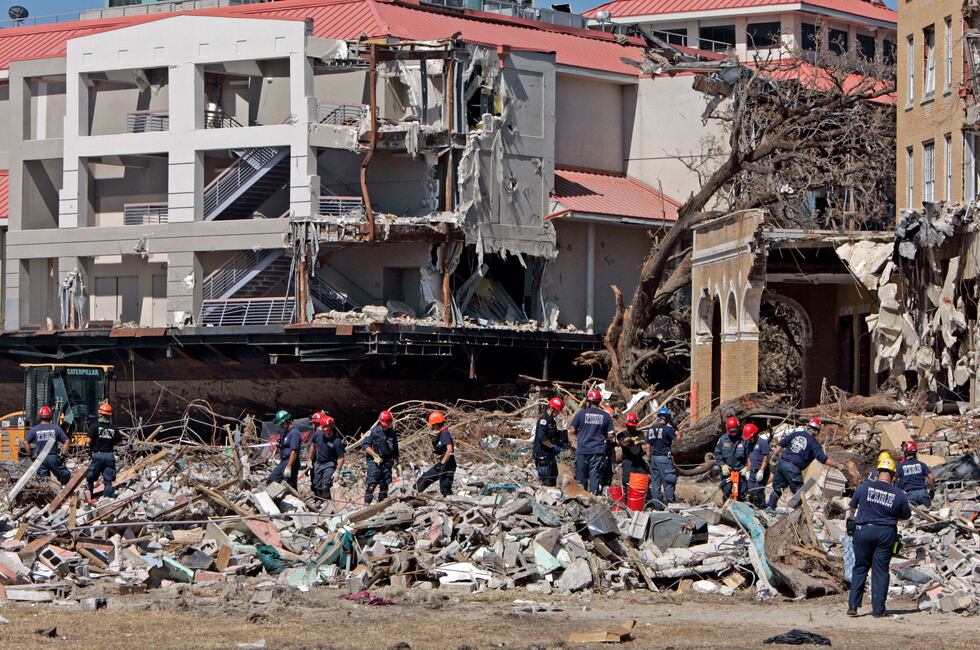
The storm stripped coastal forests bare in southeast Louisiana and toppled centuries-old oaks along Mississippi’s Highway 90. Farms across the region lost entire herds of cattle and flocks of poultry, echoing the advisory’s grim predictions.
In all, more than 1,800 people were killed, and damage estimates reached $125 billion, making Katrina the costliest U.S. natural disaster at the time.
The storm forever reshaped the Gulf Coast and changed how the nation approaches evacuation, disaster response, and infrastructure.
See a spelling or grammar error in our story? Click Here to report it. Please include the headline.
Subscribe to the Fox 8 YouTube channel.
Copyright 2025 WVUE. All rights reserved.